


Showing 13–20 out of 20 Posts
09 Jul 2024
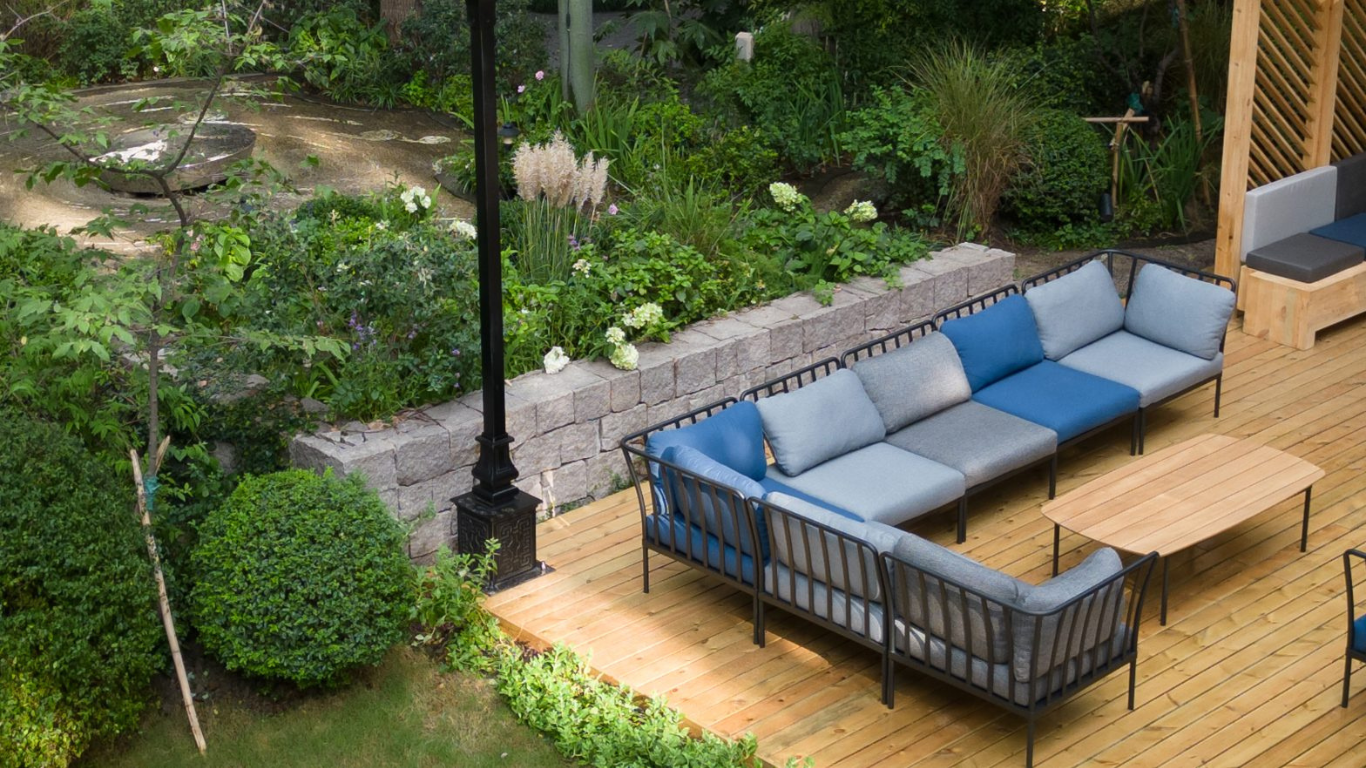
As individuals and businesses increasingly seek eco-friendly solutions, one crucial aspect often overlooked is sustainable office furniture. Prioritising sustainability in the workplace goes beyond energy efficiency and waste reduction – it extends to the very furniture we use daily. In this guide, we will explore the importance of sustainable office furniture and provide you with valuable insights and practical tips for making eco-conscious choices in the workspaces.

24 Jun 2024
In today’s environmentally conscious world, fostering a sustainable workspace isn’t just a trend – it’s a strategic imperative. For facility managers, office managers, and designers, incorporating eco-friendly practices into the workplace demonstrates a commitment to the environment, improves employee well-being, and can even lead to cost savings. Here are 10 Green Office Ideas to enhance sustainability in your workspace:
17 Jan 2023
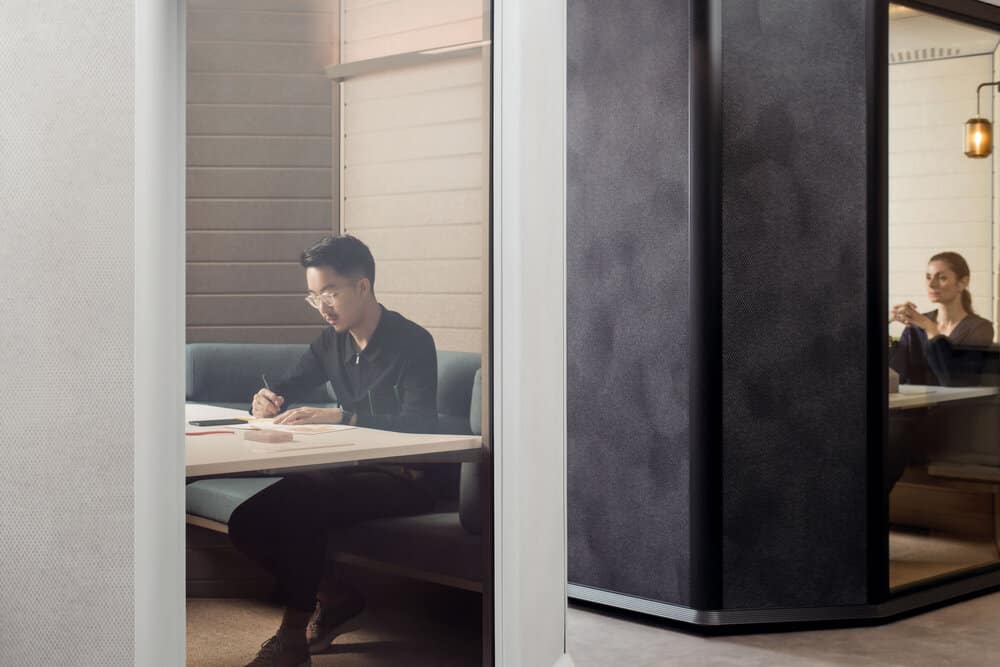
JEB Group has partnered with Michael Young Studio to present the Cabin, a multi-functional and soundproof space designed to promote wellness in the workplace. With switchable glass panels, the Cabins are perfect for meetings, phone calls, or casual conversations. Interiors include indirect LED lighting and air circulation with an “Airgle” air purifier, promoting a sense of wellbeing. Eco-friendly materials are used, such as recycled PET bottles for the exterior and formaldehyde-free, 100% recycled eco board for the tables.
21 Dec 2022
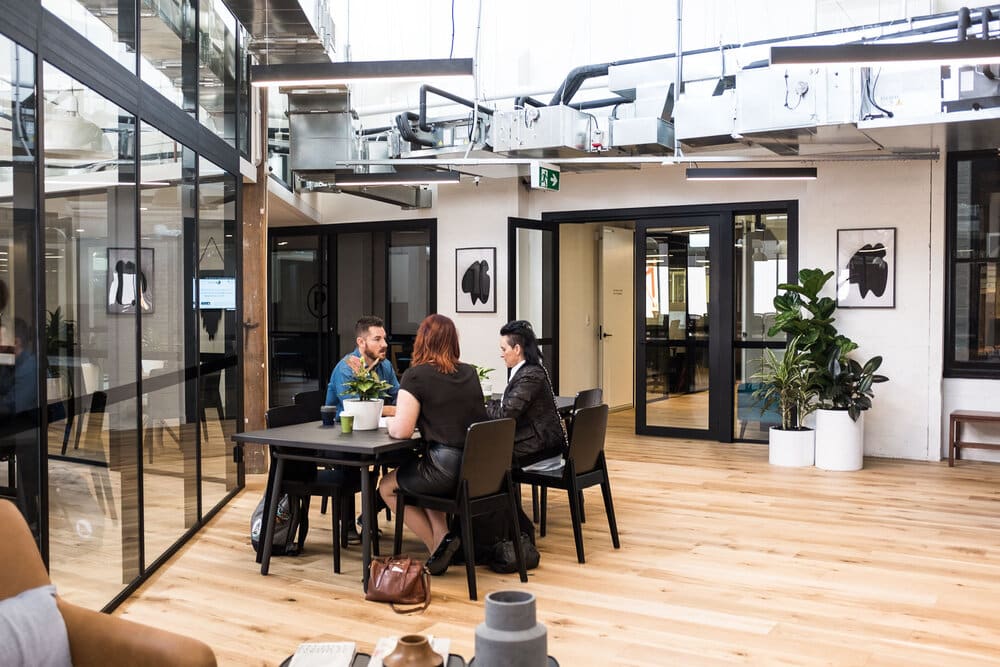
The millennial generation has been transforming the work environment and the way goals are being achieved. Millennials value their purpose in their work and the methods to bring out creativity and ideas. They enjoy working in a collaborative culture and are not afraid to share their thoughts and values. Advancements in technology have allowed them to work remotely in the same manners as they do in the office.

21 Dec 2022
Gen-Z, born after 1996, will soon make up one-third of the world’s population and prioritize positive work culture, work-life balance, and frequent feedback. Employers can establish a positive work culture with trust, social connection, and wellness. Offering flexible work arrangements and remote working options helps maintain work-life balance. Gen-Z workers desire frequent feedback and organizations must recognize their new set of expectations and acknowledge technology’s role in their connection with companies.

21 Dec 2022
While an open and collaborative workspace can help increase collaboration and communication, it can pose a negative impact on individual work and work that requires focus. Individual work still accounts for a large portion of a workday.

21 Dec 2022
It is vital to recognize when it is best to work individually and when to work as a team. When there is a shared goal and when there is a complex project that need various tasks to be carried out, collaboration is crucial.

21 Dec 2022
In modern workspaces, there is a relevant portion of employees that no longer work in fixed traditional workstations. As companies are creating more informal meeting spaces, it is important to evaluate the furniture selection process. How does office furniture position itself with the rapid change of workplace strategy?